

Why Argentina Could Be a Trap?
Argentina offers a vibrant culture and an affordable cost of living, but navigating its tax system can be challenging. Without a clear understanding of the local tax law, many expats face unexpected financial obligations. Establishing tax residency improperly can expose your global income to high tax rates. This guide will walk you through Argentina’s tax structure, helping you understand your responsibilities and how to plan your move wisely to protect your wealth.
Understanding Argentina's Tax Residency Rules

Figuring out your tax residency is the first step to managing your finances in Argentina. Unlike many countries that use a simple day-count rule, Argentina's approach is more nuanced and can catch unprepared expats by surprise. Your income tax liability depends heavily on whether the government considers you a tax resident.
This section will explain how Argentina determines tax residency, from the concept of intent-based residency to the specific triggers that can make you liable for local taxes.
Intent-Based Residency: How Argentina Determines Your Tax Liability

Argentina's method for establishing tax residency can be more subjective than a simple calendar-day count. The authorities often consider your "intent" to reside in the country. If you establish significant personal and economic ties, you may be deemed a tax resident even if you spend less than half the year there.
This means actions like signing a long-term lease, enrolling children in school, or obtaining a permanent residence permit can signal your intention to stay. Once this intention is established, your tax liability begins, potentially exposing your global earnings to Argentine taxation.
Understanding this principle is critical. You cannot simply "test out" living in Argentina without a plan, as your actions could inadvertently create a permanent tax obligation that is difficult to reverse. Proper planning from day one is essential to manage your tax exposure.
Comparing Days Spent VS Legal Residency Criteria
While many countries rely on a straightforward 183-day rule within a calendar year, Argentina's criteria are more complex. Obtaining legal residency, such as a work visa or permanent residence, is a definitive factor that will almost certainly establish you as a tax resident, regardless of the number of days you are physically present.
This legal status tells the tax authorities that you have a formal, long-term connection to the country. For foreign nationals who move to Argentina for a local job, their employment status automatically integrates them into the local tax and social security system, making them tax residents from the outset.
Therefore, you should focus less on counting days and more on your legal status and the ties you are creating. If you plan to work, invest, or live in Argentina for an extended period, you should assume you will meet the legal residency criteria for tax purposes and plan accordingly.
Recognizing Common Argentina Tax Loophole Pitfalls

Many newcomers fall into tax traps by making incorrect assumptions about how the system works. Believing you can exploit tax loopholes without professional guidance is a significant risk and can lead to serious financial penalties.
These misunderstandings often stem from applying tax rules from other countries to Argentina’s unique system. The consequences can include back taxes, fines, and a complicated relationship with the local tax authorities.
Be aware of these common pitfalls:
- The "Tourist Trap": Assuming you can live and work in Argentina on a tourist visa for extended periods without triggering tax obligations.
- Ignoring Local Income: Thinking that only income earned from Argentine sources is taxable, while ignoring the rules on worldwide income for residents.
- Underestimating Asset Declaration: Failing to report foreign assets, such as bank accounts or property, which can become subject to the personal assets tax once you are a resident.
- Misinterpreting Treaties: Incorrectly applying double taxation treaties without confirming your eligibility or the specific terms.
Overview of the Argentina Tax Structure

Argentina’s tax structure is multi-layered, consisting of national, provincial, and municipal taxes. This complexity means you need to be aware of various obligations beyond just the federal income tax. The system is broadly divided into direct and indirect taxes.
Direct taxes are levied on your income and wealth, while indirect taxes are applied to the consumption of goods and services. The following sections will break down the main types of taxes you will encounter, from income tax and VAT to wealth and financial transaction taxes.
Income Tax, Personal Property Tax, Wealth Tax

Direct taxes in Argentina are levied directly on an individual's or company's earnings and assets. The most significant of these is the personal income tax, which is progressive. This means the tax rate increases as your income grows, with rates ranging from 5% to 35%.
Another important direct tax is the Personal Assets Tax. This annual tax applies to the total value of your assets, including real estate, vehicles, and bank accounts, as of December 31st each year. If your total assets exceed a certain non-taxable minimum, you must pay a percentage on the excess value.
Additionally, Argentina levies an annual wealth tax on shares or holdings in local companies. This tax is paid by the company on behalf of its shareholders at a rate of 0.5% on the value of the participation. This is designed to tax the wealth held within corporate structures.
Personal Income Taxation for Expats in Buenos Aires

Once you establish tax residency in Argentina, you become subject to personal income tax on your earnings. For expats in Buenos Aires, this means navigating a progressive tax system where higher incomes are taxed at higher rates. Your taxable income includes salary, business profits, and other forms of compensation.
This section will explain how personal income tax is calculated, what deductions you can claim, and how Argentina treats income earned from outside the country, which is a critical topic for any expat.
How Personal Income Tax Is Calculated in Argentina
In Argentina, personal income tax is calculated based on your annual net income, which is your gross income minus any allowable deductions. The system is progressive, with tax rates applied in brackets. This means you pay a lower rate on your initial earnings and a higher rate on income that exceeds certain thresholds.
The tax rates currently range from 5% for the lowest income bracket to 35% for the highest earners. Your total taxable income for the year determines which brackets your earnings fall into. For employees, employers are required to withhold income tax from their monthly salaries.
For example, a portion of your income is taxed at 5%, the next portion at 9%, and so on, until you reach the top bracket that applies to your earnings. This structure aims for fiscal equity by requiring those with a greater ability to pay to contribute a larger percentage of their income.
Key Deductions and Credits for Individuals
Argentina allows individuals to reduce their taxable income by claiming certain deductions and tax credits. These deductions lower your overall tax bill by subtracting specific expenses from your gross income before the tax rates are applied.
Taking full advantage of these allowances is a key part of effective tax planning. Common deductions are related to family expenses, health care, and retirement savings, which can provide significant financial relief.
You may be able to claim deductions for:
- Medical Expenses: A portion of costs related to health care services and health insurance premiums.
- Pension and Social Security Contributions: Your mandatory contributions to the social security system.
- Educational Expenses: Certain costs associated with education for yourself or your dependents.
- Mortgage Interest: Interest paid on loans for your primary residence.
How Argentina Taxes Foreign Income for Residents

A crucial aspect of Argentina's tax system for expats is its treatment of foreign income. Once you become a tax resident, Argentina generally taxes your worldwide income. This means you are required to declare and pay taxes on all your earnings, regardless of where they were generated.
This includes income from foreign employment, business profits from abroad, rental income from property in another country, and gains from foreign investments. This rule can lead to double taxation, where the same income is taxed in both Argentina and the country where it was earned.
To mitigate this, Argentina has signed double taxation treaties with several countries. These agreements provide rules for determining which country has the primary right to tax certain types of income or allow you to claim a tax credit in Argentina for taxes already paid abroad. Navigating these treaties is complex and usually requires professional advice.
Tax Incentives and Exemptions for Foreign Earners
To attract foreign talent and investment, Argentina offers certain tax incentives and exemptions for foreign earners. These tax benefits can significantly reduce the tax burden for expats, especially during their initial years in the country.
One of the most notable incentives is a temporary, partial income tax exemption for foreigners who relocate to Argentina for work. This benefit is designed to make it more attractive for multinational companies to send employees to their Argentine operations.
Other potential incentives include:
- Preferential Tax Residency: Special programs that may offer reduced rates on personal property tax or exemptions on certain foreign-source profits for new residents.
- Investment Promotion: Tax exemptions or deferrals for individuals who make significant investments in strategic sectors like renewable energy or technology.
- Double Taxation Relief: Benefits provided under tax treaties that prevent your income from being taxed twice.
- Knowledge Economy Law: For those in qualifying sectors like software and biotechnology, this law provides a reduced income tax rate.
Corporate Taxation in the Argentina Tax System

Businesses operating in Argentina, including both local companies and foreign companies with a local presence, are subject to a distinct set of corporate taxes. The corporate income tax is a primary component, but entities must also navigate VAT, turnover taxes, and social security contributions for their employees.
Understanding the corporate tax landscape is essential for anyone looking to start a business or bring their existing operations to Argentina. The following sections will detail the main corporate taxes, rules for cross-border payments, and compliance requirements for legal entities.
What Corporate Taxes Do Businesses Face in Argentina?
Businesses in Argentina are subject to a variety of taxes at the national, provincial, and municipal levels. The primary tax is the Corporate Income Tax, which is levied on a company's net profits. Recent tax reform has established a progressive scale for this tax.
In addition to income tax, companies must manage several other significant financial obligations. These taxes impact everything from revenue and banking transactions to payroll, making tax planning a critical component of running a successful business in Argentina.
Key corporate taxes include:
- Corporate Income Tax: A progressive tax with rates of 25%, 30%, or 35%, depending on the company's net profit level.
- Value Added Tax (VAT): Businesses must collect and remit VAT on their sales of goods and services.
- Gross Income Tax: A provincial tax on gross revenues, with rates typically ranging from 3% to 5%.
- Employer Social Security Contributions: Contributions of around 20.4% to 21% of each employee's gross salary.
Cross-border Payments and Withholding Tax Rules
When an Argentine company makes payments to foreign beneficiaries for services rendered or other transactions, it is often required to act as a withholding agent. This means the local company must withhold a portion of the payment and remit it directly to the Argentine tax authorities on behalf of the foreign entity.
This withholding tax ensures that Argentina can tax income generated from activities within its borders, even when the recipient is not a resident. The rates can vary depending on the type of payment and whether a double taxation treaty is in place.
Key aspects of these rules include:
- Payments for Services: Payments made to foreign companies for technical support, consulting, or other services often trigger withholding tax.
- Royalties and Interest: Payments for royalties, interest, and dividends are also typically subject to withholding.
- Treaty Benefits: Double taxation agreements can reduce or eliminate withholding tax requirements, facilitating smoother cross-border payments.
- Information Exchange: Argentina participates in the international exchange of information to ensure tax compliance on cross-border transactions.
Setting Up Legal Entities for International Business Operations

For international businesses operating in Argentina, setting up the right legal entity is a critical first step for tax purposes. Establishing a formal presence, such as a local subsidiary or a branch of a foreign company, defines the company's legal and tax obligations within the country.
A properly structured legal entity helps separate the business's liabilities from its owners and ensures that business income is treated correctly under corporate tax law. Without a formal entity, business activities could be considered a permanent establishment, leading to complex and often unfavorable tax consequences for the foreign parent company.
Choosing the right structure depends on the scale and nature of your operations. Whether you form a new Argentine company or register a branch, this entity will be responsible for registering for taxes, filing returns, and complying with all local regulations.
Tax Compliance for Foreign-Owned Businesses
Foreign-owned businesses operating in Argentina must adhere to the same tax compliance rules as local companies. This includes registering with the tax authorities, obtaining a tax ID number, and fulfilling all filing and payment obligations in a timely manner.
A core requirement is the filing of regular tax returns. For example, VAT returns must be filed monthly, and corporate income tax returns are filed annually. These filings must be supported by accurate financial statements and accounting records that are prepared according to local standards.
Maintaining meticulous records is vital, as the tax authorities can request them during an audit. For foreign companies, it is also important to correctly document intercompany transactions to comply with transfer pricing regulations. Failure to maintain tax compliance can result in significant penalties and operational disruptions.
Tax Residency Strategies for Wealth Protection

For expats with significant assets or international income, proactive wealth protection strategies are essential when landing in Argentina. Since residents are taxed on their worldwide income, simply moving is not enough; you need a structure that legally minimizes your tax exposure.
This involves using international entities and leveraging jurisdictions with favorable tax policies. The following sections explore some advanced strategies, such as establishing a second residency or using legal structures to safeguard your assets from Argentina’s far-reaching tax system.
Paraguay Residency: Shielding Income Using Territory-Based Taxation
One advanced strategy some expats consider is obtaining a second residency in a country with a territorial tax system before arriving in Argentina. A country with territory-based taxation only taxes income generated within its borders, exempting all foreign-source income. This can be a powerful tool for wealth protection.
For example, by establishing tax residency in a country with this type of tax policy, you could potentially shield your global investment and business income from taxation. The income would be tied to your residency there, not in Argentina, even if you spend significant time in Buenos Aires.
This strategy requires careful planning and a clear understanding of the tax laws in both countries. It is not a simple loophole but a legitimate structuring method that separates where you live from where you are a tax resident, offering significant tax benefits if implemented correctly.
Panama Foundation: Protecting Assets and Maintaining Privacy
Another effective strategy for asset protection is the use of international entities like a private interest foundation. These legal structures, often established in jurisdictions known for strong privacy laws, can hold your assets, such as real estate, investments, and company shares.
By transferring ownership of your assets to a foundation, you create a layer of separation between your personal wealth and your life in Argentina. The foundation, not you, becomes the legal owner. This can help protect your assets from the Personal Assets Tax in Argentina, as well as from potential lawsuits or creditors.
These international entities are designed to offer both asset protection and privacy. They function as a secure vehicle for managing your global wealth, ensuring it is preserved for your beneficiaries according to your wishes, all while maintaining a degree of confidentiality.
Structuring Offshore Banking to Safeguard Wealth

Placing your liquid assets in stable offshore banking jurisdictions is a fundamental step in safeguarding your wealth. Keeping your savings outside of Argentina protects them from local economic volatility, currency controls, and the reach of the local tax system.
Choosing the right jurisdiction for your bank accounts is key. You should look for countries with strong banking privacy, economic stability, and a history of protecting foreign depositors. This ensures your capital is secure and accessible, regardless of the economic climate in Argentina.
An offshore banking structure can provide:
- Asset Protection: Your funds are held in a jurisdiction with strong depositor protection laws.
- Currency Diversification: Hold your wealth in stable currencies like the US dollar, Swiss franc, or Euro.
- Confidentiality: Reputable banking centers offer high levels of privacy.
- Economic Stability: Avoid the risks associated with Argentina's high inflation and currency fluctuations.
International Entities for Safeguarding Investments
Beyond foundations, using other international entities like LLCs or trusts can be a smart way to hold and manage your investments. For tax purposes, structuring your investments through a foreign legal entity can shield them from being considered part of your personal assets in Argentina.
When your investments are owned by a foreign company, the gains and income are attributed to that entity, not to you directly. This can help optimize your tax position, especially concerning Argentina's tax on worldwide income and personal assets.
This type of structure is particularly useful for holding a diversified portfolio of stocks, bonds, or real estate located outside of Argentina. It provides a formal, legal framework that separates your investment activities from your personal tax liability, offering both protection and greater control over your financial future.
Common Argentina Tax Loophole Myths and Realities
Many expats arrive in Argentina with misconceptions about its tax laws, often based on rules from their home countries. These myths about supposed tax loopholes can lead to costly mistakes, from accidentally triggering residency to facing penalties for non-compliance with double taxation rules.
This section will debunk some of the most common myths and clarify the realities of the Argentine tax system. Understanding the truth behind these assumptions is essential for avoiding unintended tax consequences and navigating the local tax reform landscape wisely.
The Dangers of “Testing Out” Residency Without Planning
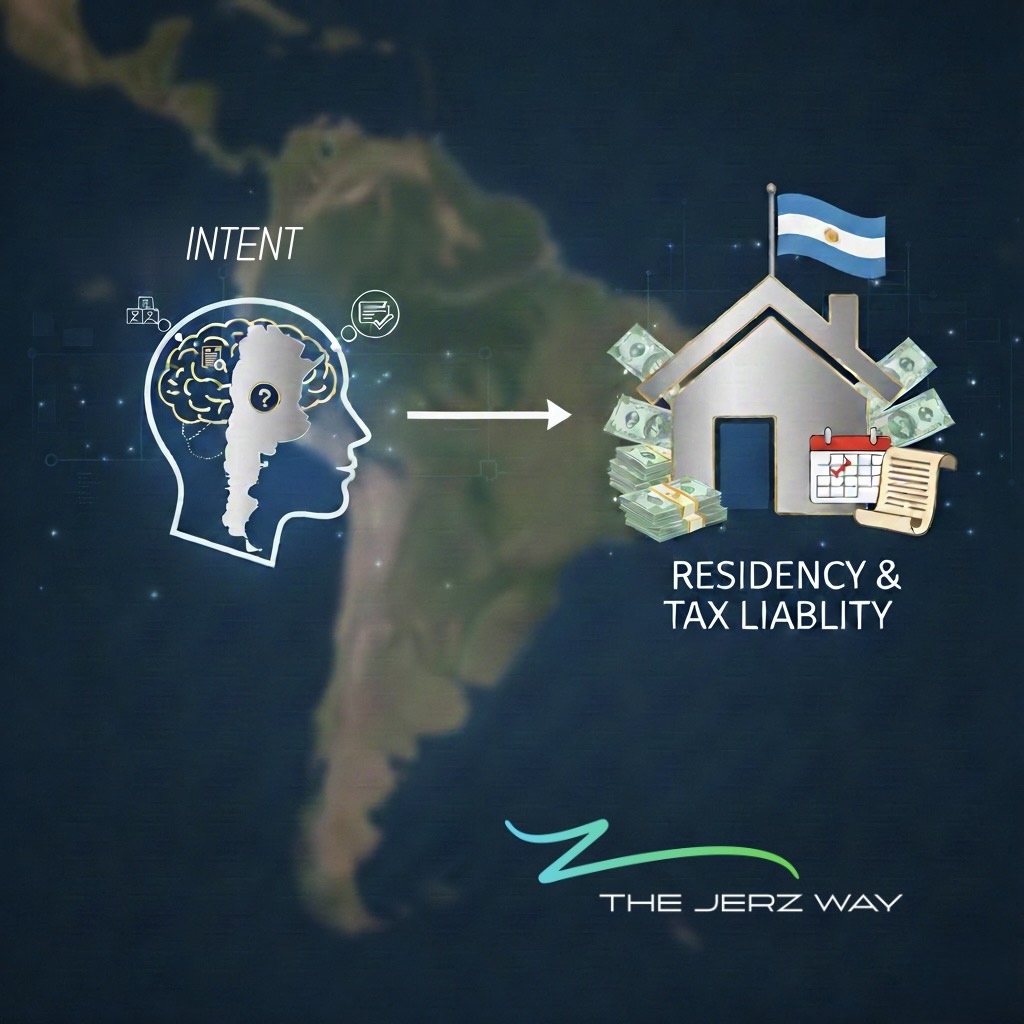
One of the most dangerous myths is that you can "test out" living in Argentina for a few months without any tax consequences. Many people believe that as long as they stay under a certain number of days, they remain invisible to the tax authorities. In reality, your actions and ties to the country matter more than a simple day count.
This approach can inadvertently trigger tax residency, making your worldwide income for the entire tax year liable for Argentine tax. The authorities can look at factors like rental agreements or local bank accounts as proof of your intent to establish a permanent residence.
The dangers of this unplanned approach include:
- Unexpected Tax Liability: Receiving a surprise tax bill for your global income.
- Penalties and Interest: Facing fines for failing to declare your income and file tax returns on time.
- Complicated Compliance: Having to retroactively sort out your tax status, which is far more difficult than planning ahead.
- Difficulty Proving Non-Residency: Once you have established ties, it can be challenging to argue that you were just a tourist.
Avoiding Unintended Worldwide Income Taxation
A common mistake is assuming that only the income you earn in Argentina is taxable there. The reality for tax residents is quite different: Argentina taxes worldwide income. This means that once you are considered a resident, your salary, investment gains, and business profits from any country must be declared.
Failing to report your foreign income can lead to serious tax compliance issues. The global trend toward automatic exchange of information between countries makes it increasingly likely that the Argentine tax authorities will find out about your offshore assets and income.
The key to avoiding unintended taxation is proactive planning. This involves understanding the conditions for tax residency and using legal structures and double taxation treaties to your advantage. Proper structuring can help ensure you pay tax in the correct jurisdiction and avoid being taxed twice on the same income.
Mistakes Expats Make When Setting Up in Buenos Aires

Setting up life in a new city like Buenos Aires is exciting, but expats often make predictable financial mistakes. These errors usually stem from a lack of preparation and an underestimation of the local tax policy and its complexities.
These missteps can be costly, turning the dream of living in Argentina into a bureaucratic nightmare. By being aware of them, you can take steps to ensure a smooth transition.
Here are some of the most common mistakes:
- Neglecting Professional Advice: Relying on informal advice from other expats instead of consulting with a qualified local tax advisor.
- Ignoring Provincial Taxes: Focusing only on national income tax and forgetting about the Gross Income Tax levied by the City of Buenos Aires.
- Failing to Structure Assets: Bringing all assets into Argentina or holding them personally, exposing them to wealth tax and local economic risks.
- Commingling Funds: Mixing personal and business finances, which complicates tax filing and can lead to legal issues.
Solutions for Navigating the Argentina Tax System Wisely
Navigating Argentina’s tax system doesn't have to be overwhelming. With the right approach, you can stay compliant while protecting your wealth. The key is to be proactive and strategic from the very beginning.
Instead of reacting to tax issues as they arise, a well-thought-out plan will put you in control of your financial situation. This allows you to take advantage of available tax benefits and avoid common pitfalls.
Here are effective solutions for smart tax navigation:
- Plan Your Tax Residency: Decide on your residency strategy before you move to avoid accidentally triggering unwanted tax obligations.
- Seek Expert Guidance: Hire a tax professional who understands the latest tax reform and how it affects expats.
- Use Legal Structures: Set up international entities to hold assets and investments, separating them from your personal liability in Argentina.
Filing Taxes and Staying Compliant in Argentina
Staying on the right side of the law is crucial when living in Argentina. Tax compliance involves more than just paying what you owe; it requires understanding the process of filing taxes, meeting deadlines, and keeping up with your administrative obligations. The tax authorities expect timely and accurate reporting.
This final section will provide a practical overview of how to file your taxes as an expat, the key deadlines to remember, and how to handle any potential disputes.
The Process of Filing Taxes for Expats
Filing taxes in Argentina involves a series of steps that vary depending on your situation. If you are an employee, your employer will handle much of the process for income tax by making monthly withholdings from your salary. However, you are still responsible for filing an annual tax return to declare all your income.
For self-employed individuals and business owners, the process is more hands-on. You will need to register with the tax authorities, calculate your own tax liability, and file monthly or annual tax returns depending on the type of tax.
The general filing process includes:
- Registering for a Tax ID: Obtaining a CUIT (Clave Única de Identificación Tributaria) from the tax authorities.
- Calculating Taxable Income: Determining your total income and subtracting any allowable deductions.
- Filing Tax Returns: Submitting your declarations online through the tax authority's portal. For some taxes, like VAT, this involves monthly tax returns.
- Paying the Tax Due: Making payments by the specified deadlines.
Conclusion
Navigating Argentina's tax landscape can seem daunting, but with the right strategies in place, you can enjoy a fulfilling life while protecting your wealth. Understanding the nuances of tax residency rules and leveraging opportunities like Paraguay residency or establishing a Panama Foundation can significantly reduce your tax burden. By taking proactive steps to structure your financial affairs, you ensure compliance and safeguard your assets from potential pitfalls. Remember, planning ahead is key to avoiding unexpected tax liabilities that could impact your new life in Buenos Aires. If you're serious about moving to Argentina the right way and want to avoid costly tax traps, reach out to us today for a free consultation. Let us help you navigate this transition smoothly!
Follow The Jerz Way
02
Action Plan & Document Collection
We create a tailored action plan aligned with your chosen service(s). This stage includes gathering required documents and handling essential tasks such as translations, apostilles, and genealogical research.


